Apicoectomy Home Care

Everything you need to know about caring for yourself after surgery.

COMMON SYMPTOMS

What You May Feel After Treatment

Common and uncommon symptoms after an apicoectomy include changes in pain, swelling, bleeding, and sensation around the surgical area.

  • Mild to moderate soreness at the surgery site, with swelling and tenderness in the gum or cheek, is common.

  • You may notice minor bleeding or oozing for up to 24 hours and some gum sensitivity when brushing or touching the area.

  • A temporary numb or “heavy” feeling from the anesthetic and mild difficulty chewing on the treated side are also normal.

  • For some upper teeth, there can be a mild sense of sinus fullness or stuffiness.​

MEDICATION GUIDELINES

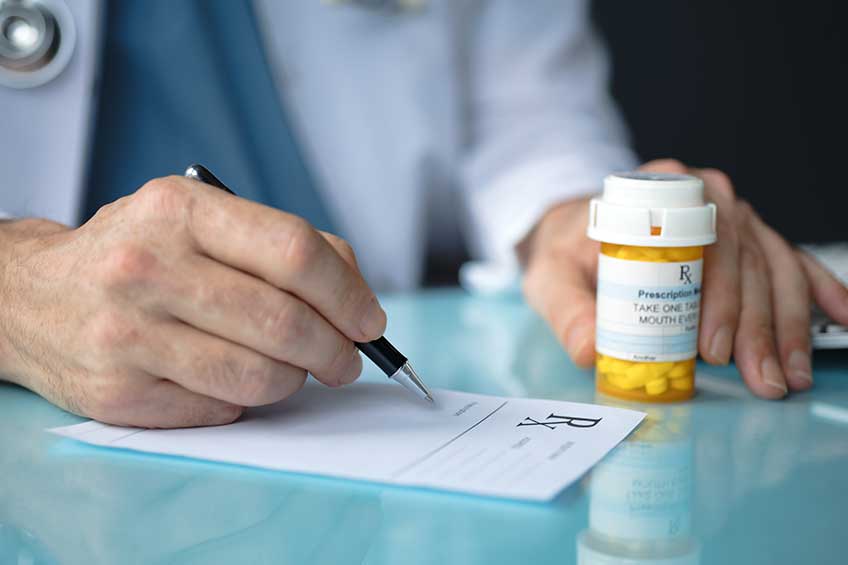
How to Take Prescription

MEDROL DOSEPAK

If you were prescribed a Medrol Dosepak for inflammation, please follow the directions below.Your pharmacist’s instructions may differ; for this prescription, follow our instructions.

  1. Day 1 take 6 pills
  2. Day 2 take 5 pills
  3. Day 3 take 4 pills
  4. Day 4 take 3 pills
  5. Day 5 take 2 pills
  6. Day 6 take 1 pill
 
PERIDEX MOUTHWASH

Rinse with your prescribed mouthwash (Peridex) three times a day

Happy senior fisherman and his adult son talking while having a drink

PROPER HYGIENE

Day 3 Care

On day 3 it is especially important for proper hygiene because pain and swelling often peak 48–72 hours after treatment and good hygiene prevents infection from starting or getting worse.

Along with your mouthwash (Peridex) prescription, begin brushing with a soft toothbrush very gently around the treated area.

DO NOT FLOSS near the sutures until they are removed.
  • Maintain a soft diet (cool, non-spicy, non-crunchy foods) and avoid chewing on the surgical side.

  • Avoid strenuous activity, bending over, heavy lifting, smoking, alcohol, and drinking through a straw, as these can increase bleeding and delay healing.

  • Keep using ice or switch to moist heat if instructed, and sleep with your head elevated to help swelling.

  • Watch for signs of infection or complications (increasing pain, swelling, fever, foul taste, or persistent bleeding) and contact the office if they appear.