Home Care Guide After Root Canal
Easy to follow instructions
PROPER HYGIENE
Days 2 and 3 Matter
On days 2 and 3 are especially important for proper hygiene because pain and swelling often peak 48–72 hours after treatment and good hygiene prevents infection from starting or getting worse.
Without consistent cleaning on days 2 and 3, more plaque and bacteria can build up around the area, which can delay recovery and increase tenderness.
MEDICATION GUIDELINES
Managing Discomfort
It is normal to experience tenderness and soreness in the treated tooth and gums for several weeks.
We recommend
- Taking up to 800mg of Ibuprofen (Motrin) combined with 500 mg of acetaminophen (Tylenol) every 6 hours as needed.
- If the doctor gave you a prescription for a narcotic analgesic, you could take it with up to 800 mg of Ibuprofen.
- Do not take extra Tylenol with the narcotic analgesic.
ANTI-BIOTICS
When to Take and When Not to
Still sore after finishing antibiotics?
That doesn’t automatically mean you need more. Healing takes time, and discomfort can come from things like canker sores, a high bite, muscle fatigue, or TMJ/jaw tension.
-
Rinse gently with warm salt water 2–3 times a day to soothe tissues and keep the area clean.
-
Use over‑the‑counter oral numbing gel on canker sores or irritated spots for short‑term relief (follow package directions).
-
Choose a soft diet for a few days (yogurt, eggs, pasta, smoothies) and avoid hard, crunchy, spicy, or acidic foods that can aggravate sore areas.
-
Apply a cold compress on the outside of the face in short intervals to reduce soreness and swelling.
-
For jaw or muscle tenderness, rest the jaw by limiting chewy foods, use warm compresses, and practice relaxed jaw posture (lips together, teeth apart).
EATING WITH AWARENESS
Savor Each Bite
Avoid chewing on the treated side until fully restored with a permanent filling or crown. Early pressure (including on temporary fillings) can cause damage and unwanted pain.
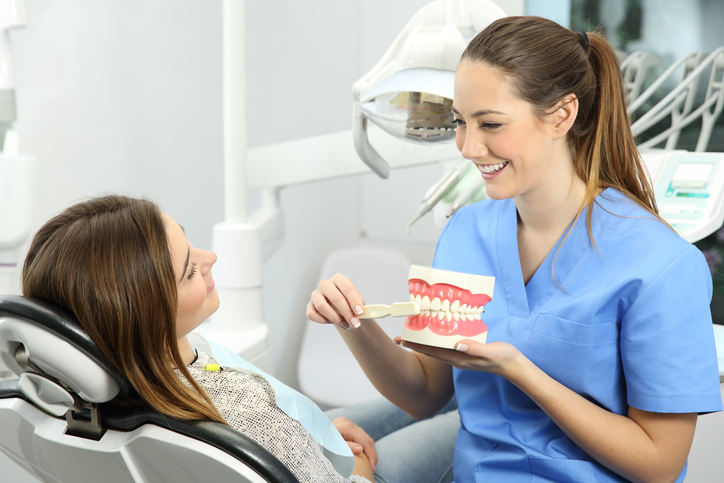
- Brush gently around the tooth.
- Do not use a waterpik.
JAW AND EAR PAIN
Muscle Strain and Habits
Persistent jaw and ear pain after root canal, unrelieved by medications, often stems from TMJ/jaw muscle strain due to prolonged mouth opening during the procedure, clenching, or pre-existing habits.
Referred pain from irritated nerves or fatigued muscles can mimic tooth issues and radiate to the ear.
- Jaw infection from incomplete cleaning, missed canals, cracked tooth, or delayed crown placement causes throbbing pain spreading to ear, jaw, or neck, worsening despite meds.
- High bite on restoration, ongoing inflammation, or periodontal disease can sustain discomfort; ear pain often signals TMJ proximity rather than true ear involvement.
- Contact our office for evaluation if pain persists beyond 1-2 weeks.
GETTING YOUR CROWN
Contact Your Dentist
Patients should contact their general dentist within 1-2 weeks after root canal completion to schedule a permanent crown.
Delaying increases fracture risk on the weakened tooth.